Reclaiming Conservation
Youth-led participatory research and artistic storytelling in northern Kenya — video, photovoice, music and indigenous knowledge for equitable conservation.
Reclaiming Conservation: Youth-Led Research and Artistic Storytelling in Northern Kenya
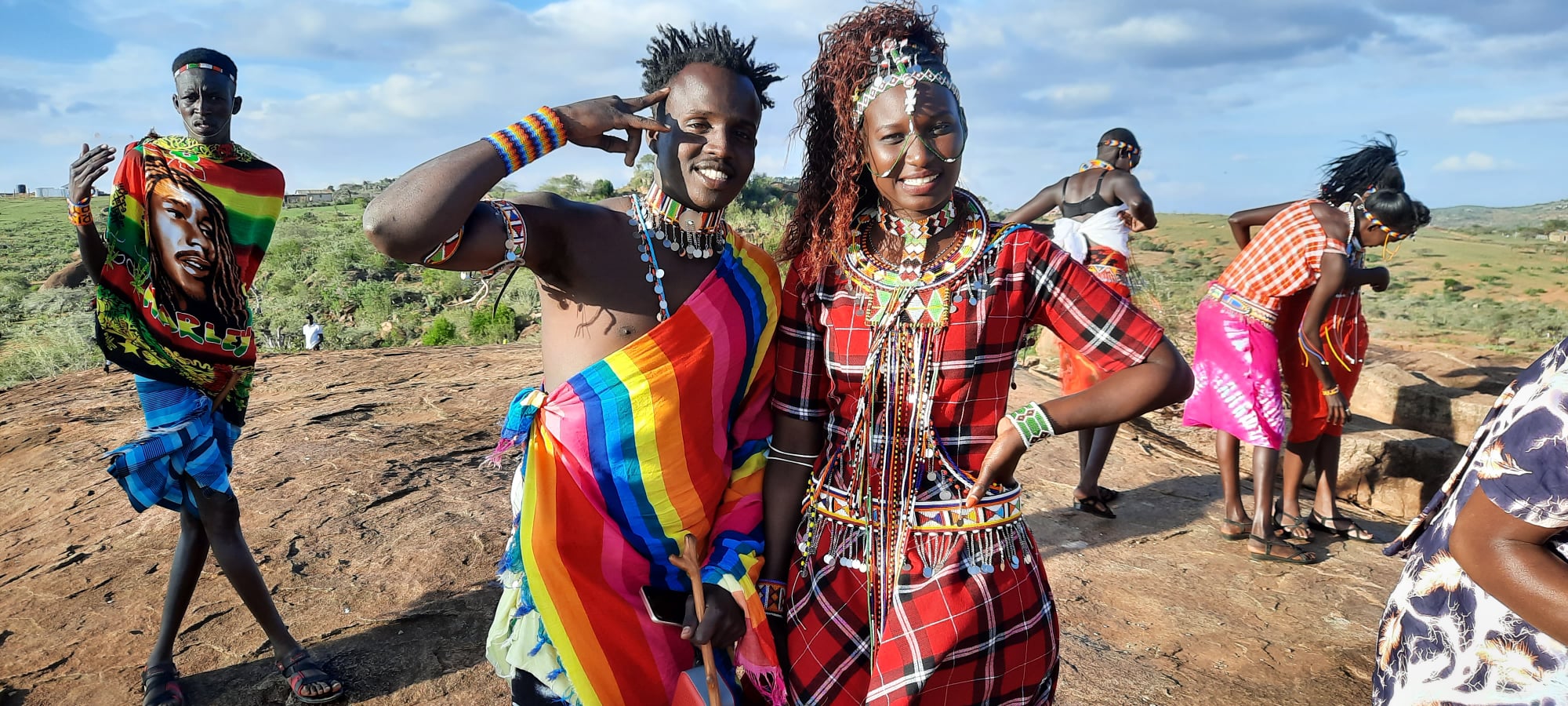
In northern Kenya, pastoralist landscapes face unprecedented threats from climate volatility, land privatization, and conservation-driven dispossession. This project positions Maasai youth as knowledge co-producers and communicators — not merely research subjects — through a pioneering participatory, arts-based methodology.

The Savannah Express
The project centers on a solar-powered mobile multimedia studio — the Savannah Express — aesthetically painted in the Nairobian minibus style to reflect local youth culture. This mobile laboratory travels to ten strategically selected communities for extended periods of deep engagement.
The Savannah Express serves as:
- Research platform — equipped with professional-grade video, audio, and photography equipment
- Educational space — hosting capacity-building workshops on multimedia production and environmental advocacy
- Community hub — a neutral territory for intergenerational dialogue on conservation issues
- Dissemination vehicle — facilitating community screenings, policy forums, and knowledge-sharing events
Participatory Methodologies
Participatory Video
Youth participants conceptualize, film, and edit short documentary pieces exploring environmental challenges, cultural practices, and conservation initiatives within their communities.
Photovoice
Participants document their environmental relationships through photography, followed by facilitated reflection sessions exploring the narrative and symbolic dimensions of their images.
Collaborative Music Production
Participants create musical compositions blending contemporary and traditional Maasai styles — song, dance, and oral storytelling — to express environmental concerns and cultural connections to land.
Traditional Artistic Expressions
Facilitated workshops blend traditional expressions with multimedia technologies, creating hybrid outputs that celebrate indigenous knowledge alongside modern production techniques.
Objectives
- Youth empowerment — equip Maasai youth with technical and analytical skills in multimedia production
- Gender equity — promote active participation of young Maasai women in environmental knowledge production and advocacy
- Knowledge co-production — facilitate intergenerational dialogue integrating indigenous ecological knowledge with contemporary conservation approaches
- Policy influence — transform multimedia outputs into evidence-based advocacy tools engaging conservation institutions and policymakers
- Sustainable impact — establish a youth-led conservation cooperative that assumes ownership of the Savannah Express
Expected Outputs
- One feature-length documentary (30-45 minutes) synthesizing key project themes
- Three participatory video reportages (5-10 minutes each) on specific environmental challenges
- Ten photo narratives compiled into a traveling exhibition and printed volume
- Three music videos co-produced with youth participants
- A digital archive of eco-soundscapes with an interactive mapping interface
- An evidence-based policy brief translating youth perspectives into actionable recommendations
Ethical Framework
The project implements a rigorous ethical framework including multi-stage informed consent, participant control over representation, formalized shared intellectual property agreements, and a three-stage community validation process. Cultural advisors — local elders and cultural leaders — guide the respectful integration of traditional artistic expressions.
Timeline
- Phase 1 (Months 1-3) — Preparation and co-design: stakeholder engagement, participant selection, training workshops, formalization of ethical protocols
- Phase 2 (Months 4-8) — Field implementation and content creation: deployment of the Savannah Express, participatory multimedia production, data collection
- Phase 3 (Months 8-12) — Analysis, synthesis, and dissemination: collaborative data analysis, finalization of multimedia outputs, community screenings, establishment of the youth conservation cooperative